Pilates and Yoga have been people's favourites for gentle de-stress movements in these few years. With the increasing number of pilates studios in Hong Kong introducing all types of fancy and intricate equipment, a question arises: what are the differences between Pilates and Yoga?
Similarities
Pilates and Yoga are both low-intensity, low-impact and inclusive exercises aiming to boost body-mind connections. They also target muscle groups that are not often trained in most physical activities.
Differences
1. Pilates emphasises stability vs Yoga emphasises flexibility
The Journal of Exercise Rehabilitation published a study in 2016 proving that significant improvement in up, upright, and downright parts and overall dynamic balance can be reached after a Pilates core stability program in trained archers. The improvement in the general public can be expected to be more significant.
A study published in the Int J Yoga shows substantial improvement in sit-reach, shoulder flexibility, stork stand and joint angle in a group of athletes who took part in biweekly yoga sessions compared to the non-yoga group of athletes.
2. Pilates is better for muscle strengthening vs Yoga is better for cardiovascular health
Pilates is highly adapted in physical therapy for the rehabilitation of trauma. Reformer, Cadillac and chair equipment are standard equipment using springs to train and develop muscle in bed-rested patients. The same technique is also adapted and effective for a low-intensity muscle-strengthening session in healthy individuals.
Faster-paced yoga, for example vinyasa, elevates heart rates, achieving the effect of LISS (low-intensity steady-state) cardio. Consistency in practising faster-paced yoga reduces mean arterial pressure, lowering the risk of cardiovascular diseases.
3. Pilates is methodical vs Yoga is spiritual
Pilates performs movements at a slower speed and with intention, engaging every small muscle. Repetitive movements boost the mindfulness connection between self and inner body.
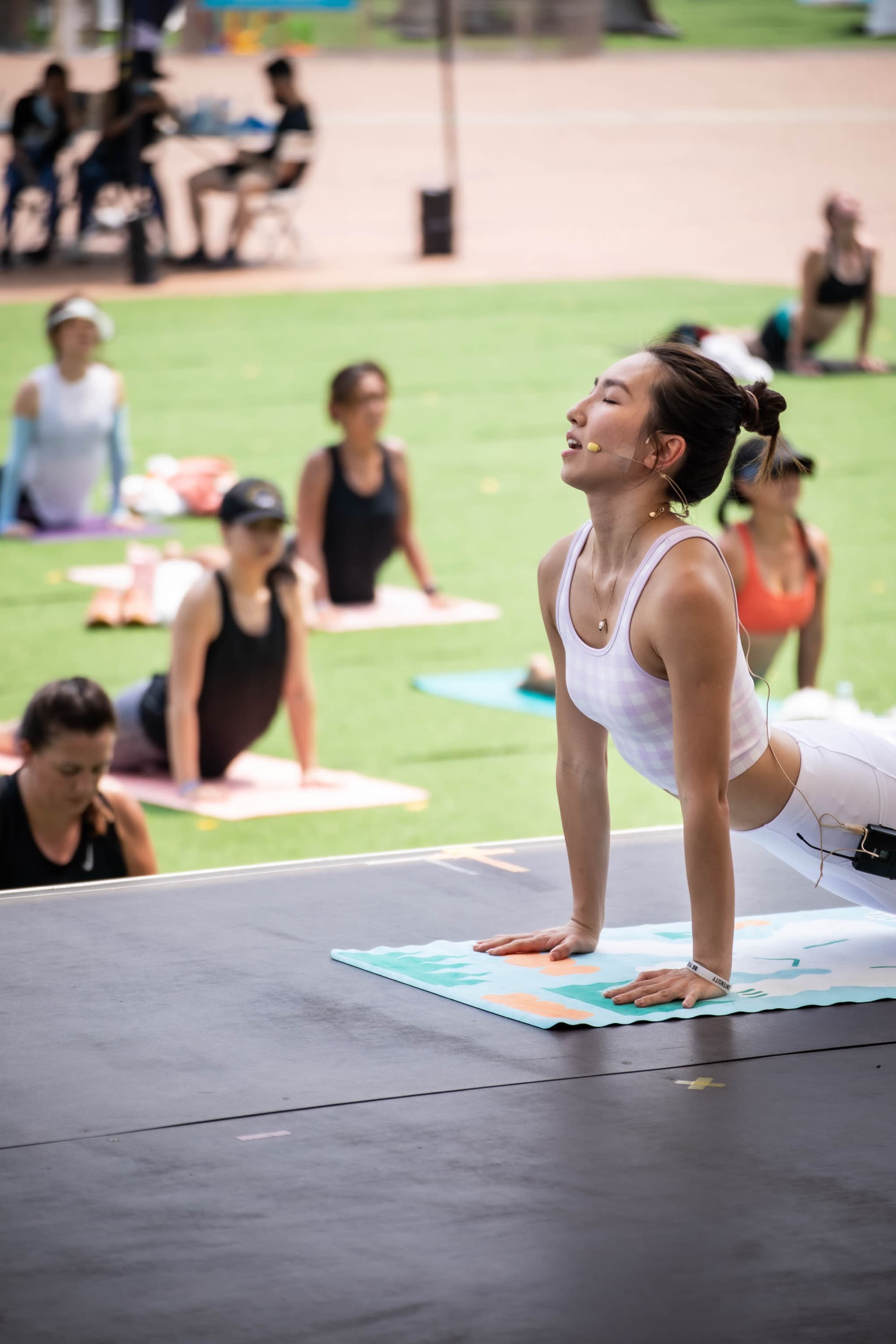
Yoga was originally practised by holy ascetics in India, with many movements imitating natural elements and animals. Yoga is fluid, building a connection with your inner self via breathing control.
Use this simple list to find out which type of movement best suits your personal goals. Remember to consider your personal preference, as passion keeps consistency! We recommend incorporating different types of workouts to change up your workout routine. So why not do both?
Qintensity offers private yoga and pilates classes at your preferred time and location.
We also have group classes for Yoga and Pilates at Kowloon Station Harbourside every Tuesday, Wednesday and Thursday.
Book your Yoga trial class here now.
Book your Pilates trial class here now.